

Choosing uPVC Fascia and Soffit Fitters Near Me
It's a challenging project that requires a variety of tools. It also involves working at height which can pose an injury to health and safety. Therefore, it is recommended to work with a professional to do the job.
Fascias are a crucial part of roof ventilation. They protect the roof from the elements. It directs rainwater away from the eaves and foundation. It is also used as a connection point for gutters.
Wood
Wood fascia boards are cheaper than PVC, but they are more susceptible to rot and water damage. Furthermore, they require more frequent painting and sealing to maintain their appearance. This can add to the overall cost of a fascia board replacement project.
The cost of replacing soffit and fascia boards can differ widely based on the type of material you choose and the method of installation. The price will also depend on how easy the area is to work on. For these kinds of projects, it is recommended to seek advice from an expert. Installing fascia boards correctly is essential as they must support the weight of roof tiles as well as guttering and snowfall. They should also be able support the gutters, and also stop the rafters from becoming rotten.
You can choose between a variety materials for your fascia and Soffit boards. These include PVC, wood, fiber cement, aluminum and PVC. Each material has its own pros and pros and. But the most sought-after choice for fascia and soffit boards is uPVC, which has many benefits. It's easy to install, and it won't be damaged by warping, cracking or sagging in time, like timber. It's also cheaper than other options.
Furthermore, uPVC can be painted in any color to match your home's exterior and other trim pieces. It's also available in wide range of styles, so you can find the perfect style to meet your needs. You may even find a style that matches the look of your roofline. If your home was constructed before 1990, it is possible that your roofline has asbestos siding. If this is the case, call a company that is specialized in asbestos removal.
PVC
The fascia board is an important aspect of the roofline and a remark of a well-maintained roof. It's also a fantastic addition to the look of your home. Be sure to check the fascia boards for signs of wear and damage. If they're damaged it is a good idea to replace them. The best choice is uPVC that can stand up to the elements and resist mold and rot. It is also easy to install, and comes in various designs and colors.
While a wooden soffit or fascia is a popular choice, it is not as robust as uPVC. Wooden fascias are susceptible to warp, rot and water damage. Moreover, check out your url can be difficult to maintain, and are not as aesthetically appealing as uPVC. However, they are a cost-effective and functional option, and can be stained or painted to match the rest of the house.
There are a variety of ways to fix a fascia or soffit, such as replacing the old wood with PVC. This is known as a "cap over" in the industry. It involves attaching a brand new uPVC fascia board to the existing timber cap and then putting guttering on the cap. It is important that the rafters of the existing timber are sound. A decayed timber can result in more expensive and extensive roofline repairs.
To begin, a brand new PVC fascia needs to be cut to the right length and then glued to each rafter with carpentry nails. If you're not a professional DIY expert, it is best to leave the job to professionals. It is also crucial to follow safety and health guidelines when installing fascia.
Vinyl
Selecting the correct fascia material is an essential step to ensure that your gutters last. It should be strong enough to withstand the weight of your gutters, while offering a beautiful look. The type of material you select should be resistant to corrosion, rust, and insect damage. Common choices include aluminum, wood and vinyl. If you aren't sure which type of material you should choose, consult a roofing contractor.
In addition to being visually pleasing, fascia boards may be stained or painted to be a match to the exterior style of your home. They can also be covered with waterproof sealers that will stop rot and wood decay. Most building supply stores carry these products. Additionally, they are simple to install and can be bought in many colors.
Before beginning any fascia installation, it is crucial to determine the eaves and gables of your roof to determine the amount of fascia and soffit materials you will need. Remove any old soffit and fascia boards to prepare the area for the new materials.
Wood is the most popular material for fascia boards. It is a great option for homeowners who desire an old-fashioned appearance. However it requires regular maintenance to keep it in good shape. It is also recommended to treat wood with a paint or stain that is water-resistant particularly in regions with heavy rainfall.
Typically the cost of replacing or repairing a fascia board and soffit ranges from $1,500 to $5,000 for a typical single-story house with 250 linear feet of fascia and soffits. Employing a professional to complete this task ensures a proper installation and protects your home from pests and structural damage.
Fiber cement
Fascia boards serve to protect the edges of your roofing, help keep gutters in place and give your home a finished look. They also prevent moisture and pests from damaging your roof's underlying structure. The ideal fascia board material is a balance of aesthetics, budget and climate considerations.
Wooden fascia boards provide an elegant look and are easy to paint or stain. They are affordable and are available in a variety of styles to fit with different architectural designs. However, they require regular maintenance to protect against rot and pests. To ensure adequate ventilation, wooden soffits need regular maintenance.
Fiber cement fascia boards are more durable than wooden counterparts. They are also more visually appealing and are resistant to insects, rot, and moisture better than other materials. They are also able to withstand tough weather conditions, such as salted air and high winds. However, they are more expensive than vinyl and aluminum and their installation could be labor-intensive.
While do-it-yourself (DIY) repair of the fascia board is possible, it is best to employ a licensed roofing contractor to ensure that the project is compliant with the building codes as well as other requirements. Licensed roofing contractors can offer warranties and guarantees on the quality of their work. They also know the construction codes and permits that are essential for a successful roofing project.
When installing James Hardie Fascia, make sure you have a clean cut station so that the installers can clean off the dust immediately after cutting. If the dust settles on the paint, it could cause the paint to fade with time. This could lead to decay, particularly on the edges of the boards. It is recommended that installers dip both sides of the boards in an excellent primer paint before they install them to avoid this problem. This will allow the primer to get into the grain of the board, preventing moisture from drawing it in at the edges of the board.
Composite
A uPVC soffit and fascia board in Lisburn BT67 0 can enhance the appearance of your home and protect your roofline. It is also easy to maintain and withstands rot. In addition, it can lessen the damage caused by rainwater. This board is particularly advised if you live in a region that experiences extreme weather conditions. It is possible to score a good deal on this type of board, and it will save you money and time in the long run.
There are many different kinds of fascia and soffit boards on the market, including those made from PVC and fiber cement, wood and composite. The best material for your fascia and soffit will depend on the budget you have set and your personal style preferences. PVC is the most sought-after material due to its light weight and waterproof. It is also available in a wide range of colors. It is also very easy to install. It is best to employ an expert to ensure that your new fascia and soffit is properly installed.
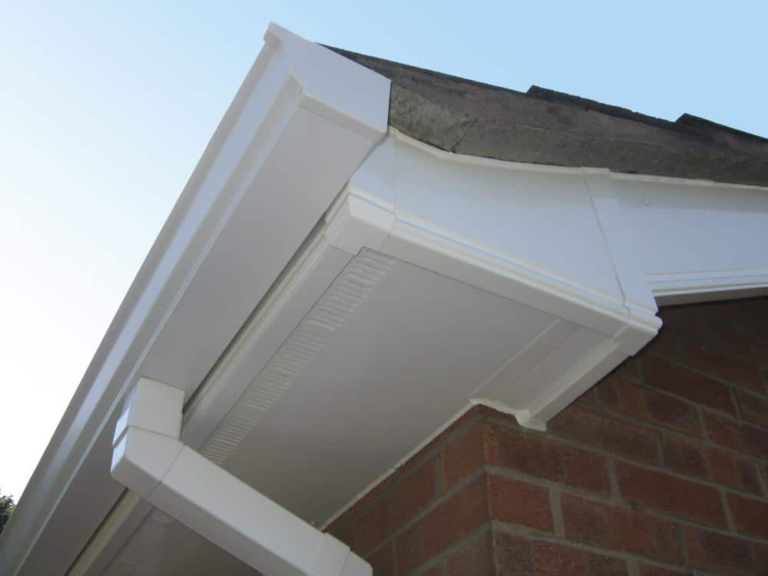
Start by measuring your house's gables and eaves to determine the amount of soffit or fascia you need. You should buy enough material to cover the entire roofline, and be prepared for any cuts or waste. In some instances, you may have to remove the existing fascia and soffit to make the area for the installation.
If your roofline is in good condition, you can save money by covering the boards with uPVC. This process, referred to as "over-capping," costs around PS85 for each linear metre. It is essential to determine if the Soffits and old fascias are asbestos-free. If they are asbestos-containing it is recommended that a qualified technician remove them.